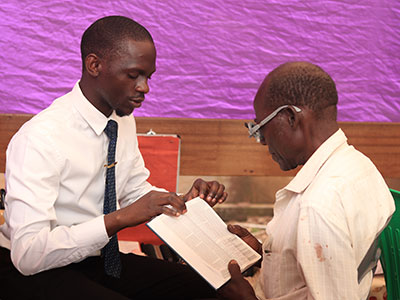
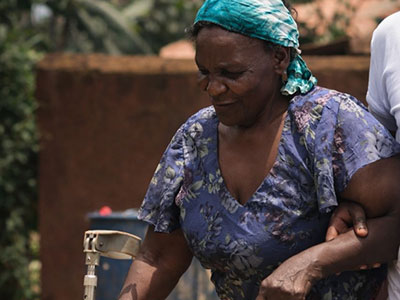
 We planned for one day.
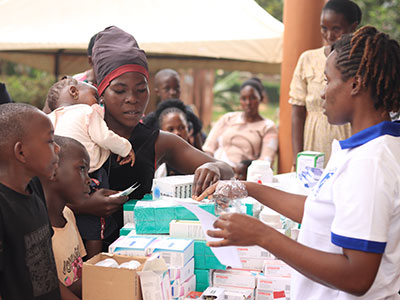
We set up the tent in Buloba, prepared the tables, organized the medications, briefed the team. One day.
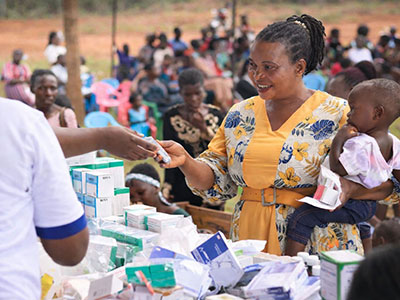
By midmorning the line was longer than we had prepared for. Mothers with children tied to their backs. Elderly men on walking sticks. Young boys and girls sitting in the heat, waiting with a quietness that took a moment to understand they had simply learned not to expect much. Widows came alone. Families came together. The sun went down and the line was still there.
We came back the next day.
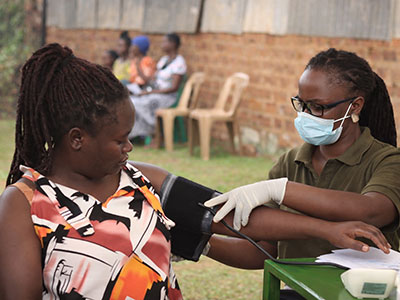
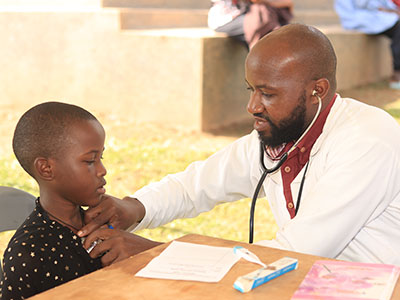
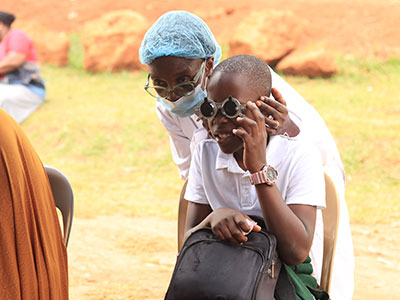
Over two days we saw more than 1,780 people. Our team treated malaria. We ran HIV tests. We pulled teeth. Men and women told us, almost in passing, that no one had ever checked their blood pressure before. We examined chronic conditions that had been managed with whatever was available. We referred the most serious cases to hospitals and helped pay for those we could.
And in the middle of all of it, we saw things we will not forget.
A woman came to us with a broken leg.
Not a recent break. An old one. She had reorganized her life around it. She stopped expecting it would ever be different. Surgery cost money she did not have, so the bone stayed where it was. She carried the pain the way people carry things they have stopped naming.
We got her to a referral hospital. We covered what needed to be covered.
She got the surgery.
Then there was the child.
Three years old. Carried in by a parent, burning with fever. Our medical team assessed immediately. Within minutes it was clear the camp could not hold what was happening in that small body. They rushed the child to hospital.
The illness was treatable. It had always been treatable.
What it needed was a doctor, and a tent in Buloba on that particular day was the first time one had been within reach.
Your support made a lot of medical “firsts” possible for a community in need.
A young mother received her first HIV test. An elderly woman finally got treatment for an infection she had been carrying for months. Somewhere in the crowd a man rolled up his sleeve and learned for the first time what his blood pressure was.
For most of the 1,780 who came, this was not a routine clinic visit. It was the first time the system had shown up for them.
We planned for one day.
The community showed us otherwise. So, we stayed.
We’re not finished. Soon, we head into the refugee camps: new sites, deeper need, the same team, and the same conviction that people who have been forgotten by every system are not forgotten by God.
Thank you.
None of this would be possible without your support. Thank you for reaching out your hand to help those who feel forgotten. You’re saving lives with every gift you make.
Written with Eddie, one of our field team members in Uganda.