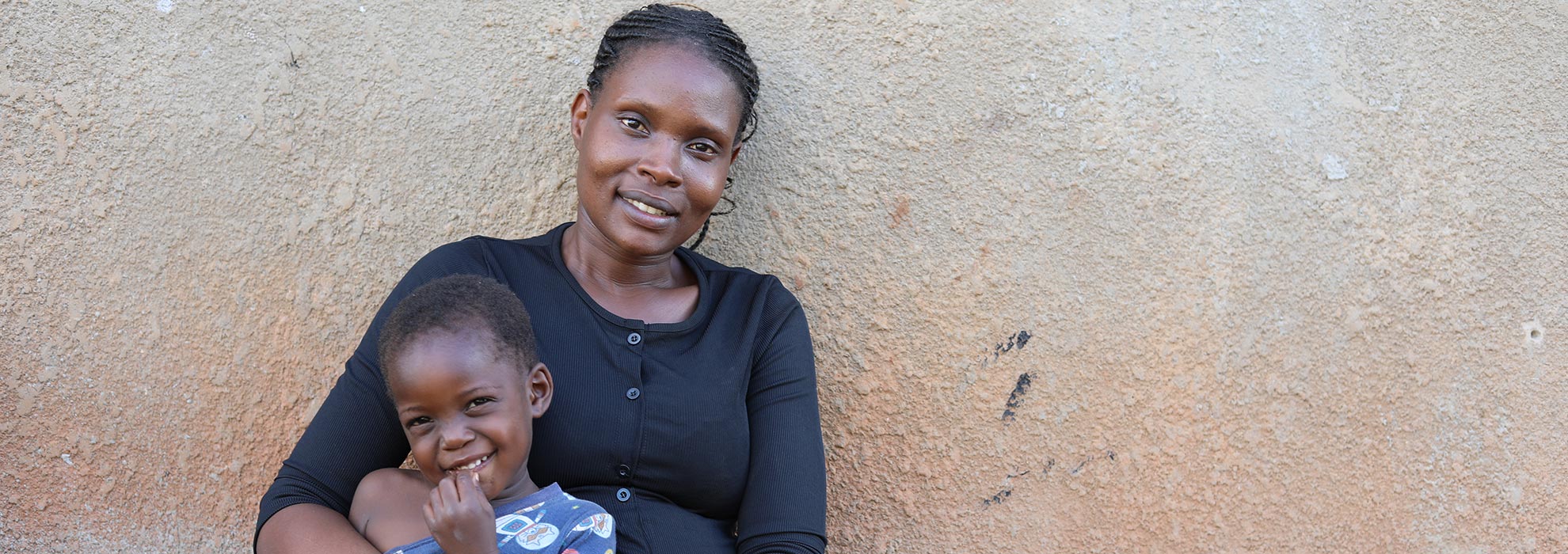
How Faith-Based Support Empowers Widows and Orphans Worldwide
Key Takeaways
- About 258 million widows live worldwide, and nearly 10% survive in extreme poverty.
- UNICEF estimates there are 140 to 153 million orphans globally, with roughly 5,700 children losing a parent each day.
- Religious organizations received $146.54 billion in US charitable donations in 2024, representing 23% of all giving.
- James 1:27 describes caring for widows and orphans as pure and faultless religion.
- Faith-based ministries provide food, shelter, education, job training, trauma care, and community support.
- Supporting trusted local ministries helps expand long-term impact for vulnerable families worldwide.
Each June, International Widows Day highlights the struggles millions of widows face worldwide. Yet when a husband dies in a remote Kenyan village, or a child loses both parents to conflict in Thailand, the world still too often looks away. Faith-based ministries don’t. For centuries, churches and religious nonprofits have answered Scripture’s call to defend the vulnerable, and today their work reaches tens of millions of widows and orphans across continents. If you’ve ever wondered whether your gift truly matters, the answer is yes.
A Global Crisis Hiding in Plain Sight
The scale of suffering is staggering, yet most of it unfolds quietly. Experts estimate that approximately 258 million women around the world are widows, and nearly 1 in 10 live in extreme poverty. In many cultures, the death of a husband strips a woman of her home, her property, and even custody of her children. Inheritance laws favor male relatives in 36 countries, leaving widows economically defenseless overnight.
Children fare no better. UNICEF data suggests that between 143 million and 153 million children have lost one or both parents. Around 5,700 more join their ranks each day because of war, disease, and disaster. Sub-Saharan Africa alone bears the loss of more than 10 million children orphaned by HIV/AIDS.
Behind every statistic stands a face: a grandmother in Malawi raising six grandchildren on a quarter-acre of corn, a 12-year-old in Ukraine pulled from rubble, a mother in Bangladesh refused a bank loan because she has no husband to co-sign.
What Scripture Says about Widows and Orphans and Why It Still Matters
The Bible speaks of widows and orphans more than 100 times, and the message never wavers. The book of James puts it bluntly: “Religion that God our Father accepts as pure and faultless is this: to look after orphans and widows in their distress and to keep oneself from being polluted by the world.” (James 1:27, NIV).
The Old Testament echoes the same heart. Psalm 68:5 calls God “a father to the fatherless, a defender of widows.” Deuteronomy 10:18 promises that the Lord “defends the cause of the fatherless and the widow, and loves the foreigner residing among you, giving them food and clothing.” Isaiah 1:17 pushes believers further still: “Learn to do right; seek justice. Defend the oppressed. Take up the cause of the fatherless; plead the case of the widow.”
Faith-based ministries, such as Kinship United, take these commands literally. They show up in slums, refugee camps, and rural villages, not as a sideline of their mission but as the very center of it.
Why Faith-Based Support Works Differently
Secular aid agencies do vital work, and donors should support many of them. Yet faith-based organizations bring distinct strengths that often go unmeasured in spreadsheets.
Local roots run deep. Places of worship exist in nearly every village on Earth, including places where governments and large non-governmental organizations can’t easily operate. A study published in PLOS One documented the substantial role faith-based organizations play in delivering healthcare across low- and middle-income countries, often filling gaps left by overstretched public systems.
Relationships, not transactions, drive the work. A pastor in Uganda knows which widow needs a goat, which one needs counseling, and which child needs a school uniform. Faith communities walk alongside families for years, not weeks.
Holistic care meets body and soul. Hungry children need food. Grieving widows need food, dignity, legal advocacy, and hope. Faith-based ministries typically address all of it, including feeding programs paired with literacy classes, microloans paired with prayer support, and orphan homes paired with vocational training.
Giving sustains the model. Religion drew $146.54 billion in US charitable giving in 2024, still the largest single share of all giving at 23%. That generosity funds the network that delivers help.
Join a Mission Bigger Than Yourself
Proverbs 19:17 says, “Whoever is kind to the poor lends to the Lord, and he will reward them for what they have done.” Faith-based giving transforms lives. It helps a widow learn to read at 52, empowers an orphan to graduate from nursing school, and deepens the donor’s own compassion and faith along the way.
You don’t need to travel to Nairobi or Kolkata to change a life. A recurring gift, a sponsored Kinship Family, a remembered widow at Christmas, an estate plan that names a trusted ministry — each ripples outward in ways you may never see this side of Heaven.
The world has millions of widows and orphans. Heaven knows every one of them by name. Your faithfulness, joined to theirs, is how the Father of the fatherless answers their prayers.
Ready to take the next step? With your continued support, more marginalized widows and orphans can experience the healing power of community, faith, and compassionate care for generations to come. Consider sharing this article with friends who share your heart for the vulnerable.
Published June 5, 2026


