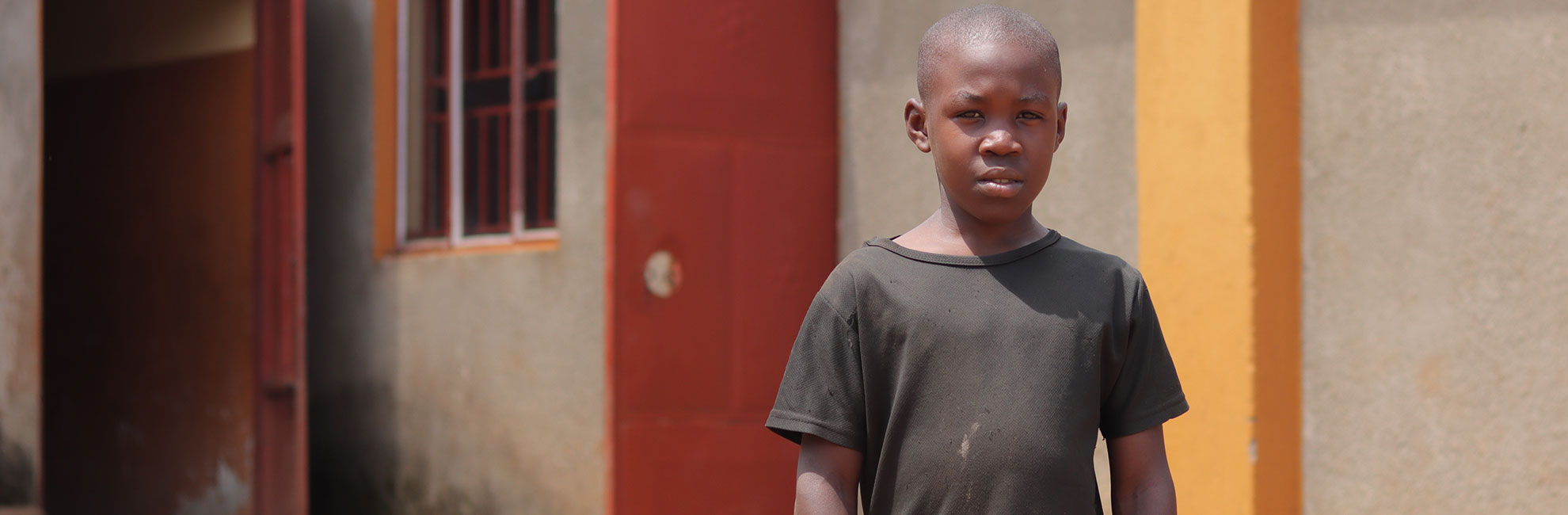
Helping Orphans Heal from Trauma and Adverse Childhood Experiences
Key Takeaways
- Orphaned and vulnerable children may experience several forms of trauma, including bereavement, violence, neglect, displacement, hunger, and family separation.
- Safe homes, dependable caregivers, education, health care, and supportive communities can help children build resilience.
- Kinship United donors help provide the consistent, family-centered care that children need to heal and thrive.
An orphan arrives at a Kinship United safe church home carrying painful memories that no child should have to endure. Some enter their new safe church homes so frightened that they withdraw completely, unable to speak, respond, or trust the adults around them. After living without safety for so long, they may not recognize it when they finally find it.
Some children may never have known what safety feels like.
A growing body of research into childhood trauma and adverse childhood experiences (ACEs) helps organizations such as Kinship United understand how adversity can shape a child’s development. The evidence also offers hope by showing how stable homes, patient caregivers, and nurturing relationships can help children rebuild trust and begin to heal.
What Are Adverse Childhood Experiences?
Adverse childhood experiences include potentially traumatic events that happen before age 18. ACEs can include violence, abuse, neglect, and household challenges that undermine a child’s safety or stability.
Children who have lost parental care may face several adversities at once. A child might grieve a parent while also leaving home, missing school, going without food, or living in an unsafe environment. Exposure to war, community violence, trafficking, and forced migration can compound that distress.
Children respond to trauma in different ways. Some struggle with sleep, concentration, anger, sadness, anxiety, or withdrawal. Others may find it difficult to build attachments because experience has taught them that adults and surroundings can change without warning.
How Childhood Trauma Can Affect Development
Stress forms part of every childhood, and supportive adults can help children manage ordinary challenges. Severe or prolonged stress becomes more harmful when a child lacks a caring adult who can offer comfort and protection.
The Center on the Developing Child at Harvard University explains that excessive or prolonged activation of the body’s stress response can disrupt developing brain architecture and other biological systems. Over time, toxic stress can affect learning, behavior, emotional well-being, and physical health.
The World Health Organization also reports that severe or prolonged stress can interfere with healthy nervous and immune system development. Childhood maltreatment has links to poorer cognitive functioning and academic performance.
These risks deserve attention, but they don’t make poor outcomes inevitable. Children can heal, especially when caring adults replace fear and instability with protection, affection, and reliable routines.
The Pathway to Emotional and Physical Healing
Restoring a child’s sense of safety requires far more than basic physical supplies. True healing demands a comprehensive strategy that addresses physical health, psychological well-being, and community connection.
Trauma-informed care shifts the foundational question from “What is wrong with this child?” to “What happened to this child?” By recognizing that challenging behaviors often signal profound internal pain, caregivers respond with patience, structured routines, and gentle guidance rather than harsh discipline.
Family-style environments heal children far more effectively than large, impersonal institutions. Local caregivers who understand the language, culture, and community offer orphaned children the consistent presence they need to rebuild broken trust. When children receive reliable meals, quality education, medical attention, and emotional reassurance, their nervous systems gradually shift away from a state of constant alarm.
How Kinship United Surrounds Children With Whole-Person Care
Psalm 82:3-4 calls on us to defend the weak and the fatherless; uphold the cause of the poor and the oppressed. Rescue the weak and the needy; deliver them from the hand of the wicked.
Kinship United protects orphans and highly vulnerable children by giving them a safe place to heal and grow. Whenever possible, the organization prioritizes family reunification or care from extended family. When relatives can’t provide care, children join a Kinship Family near their home village, allowing them to remain connected to their culture and community.
Kinship Families offer more than shelter. Children receive food, schooling, loving care, and access to urgent medical support when available. Local pastors, their spouses, and widows serve as caregivers, creating family relationships around children who have experienced profound loss.
Kinship United’s family-centered approach emphasizes emotional bonding, healing, accountability, and local leadership. Rather than sponsoring individual children in ways that could interfere with caregiver attachment, donors support an entire Kinship Family. Gifts may also fund wells, kitchens, septic systems, beds, vehicles, emergency medical care, and other essentials that help create a secure home.
Your Gift Can Help Restore Childhood
Healing rarely happens in a single moment. It grows through thousands of dependable moments: a caregiver who stays, a meal served on time, a safe bed, a return to school, and reassurance during a frightening night.
When you support Kinship United, you help surround vulnerable children with the relationships and resources that research identifies as essential to resilience. Your generosity can give a child more than immediate relief. It can provide the safety, belonging, and opportunity every child deserves.
Published August 26, 2026


