What is an Orphan in Kinship Care?
Key Takeaways
- Orphanhood and kinship care are different: Orphanhood describes parental loss, while kinship care describes who cares for a child.
- Family-based care keeps children connected: Relatives and trusted caregivers can preserve a child’s family, culture, community, and sense of belonging.
- Kinship caregivers need support, too: Financial and practical help can strengthen households caring for vulnerable children.
- Donors can help families stay together: Supporting Kinship United helps provide food, education, healthcare, housing, and consistent care for children and caregivers.
When people hear the word orphan, they may picture a child who has lost both parents and has no family left. In global child welfare, however, the definition is broader. Child welfare organizations may distinguish between a single orphan, who has lost one parent, and a double orphan, who has lost both.
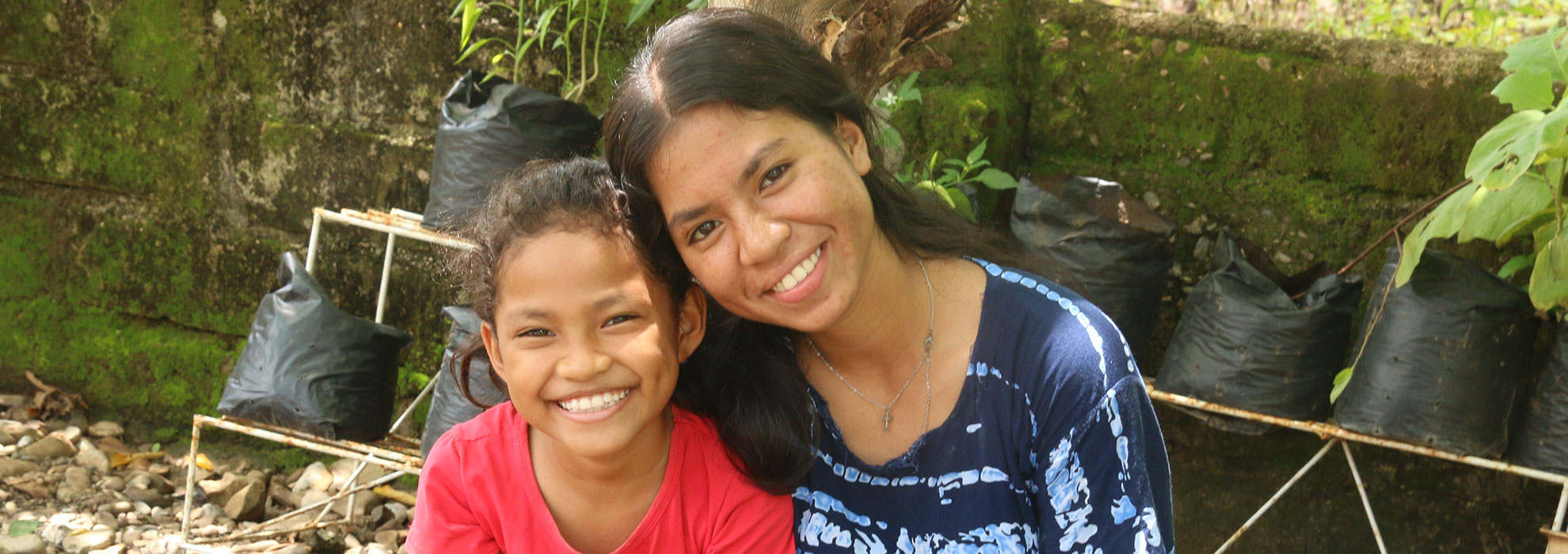
An orphan in kinship care is a child who has lost one or both parents and now lives with extended family — a grandmother, an aunt, an uncle, an older sibling, or a trusted family friend — instead of in an orphanage. The arrangement keeps a grieving child inside a familiar home, language, faith community, and neighborhood while relatives shoulder the cost of raising one more child.
Understanding Kinship Care
Kinship care means a child receives care from extended family members or, in some definitions, close family friends who already know the child. UNICEF describes kinship care as care provided by extended family or close family friends and recognizes it as a form of family-based alternative care.
Orphanhood and kinship care describe two different things. Orphanhood describes the loss of a parent or parents. Kinship care describes who cares for a child when a parent cannot.
An orphaned child may live in kinship care, but not every child in kinship care is an orphan. Parents may remain alive but become unable to provide safe, stable care because of illness, conflict, displacement, family crisis, or other circumstances.
Family Connections Matter After Parental Loss
Losing a parent can change nearly every part of a child’s life. Along with grief, children may face changes in housing, school, routines, finances, and relationships. Remaining with relatives or familiar caregivers can help preserve connections to family history, culture, language, community, and a sense of belonging.
UNICEF reports that more than 2 million children worldwide live in residential care, yet most are not orphans and have at least one living parent or close relative. UNICEF calls for preventing unnecessary family separation and prioritizing safe, appropriate family-based care whenever possible.
For donors, that perspective shifts the focus from simply finding a place for a child to live toward helping families and communities provide safe, lasting care.
Why the Kinship Model Works and Where It Strains
Kinship care is the greatest resource available for children who live apart from their parents. Communities already accept it. Children already trust it.
Unfortunately, kinship caregivers frequently rank among the poorest adults in their communities, and they rarely receive support. An aunt who takes in three nieces may skip meals, pull her own children out of school, or fall behind on rent within a season.
Kinship United’s Approach to Orphan Care
Kinship United names family reunification and kinship care as its first response, placing children with a surviving parent or relatives whenever those relatives can safely care for them. When no family remains, the organization builds something close: Kinship Families, where local widows help raise children alongside a resident pastor’s family in a home attached to a local church, surrounded by neighbors who know their names.
Widows gain purpose and provision. Children gain mothers. Villages gain clean water, food programs, and medical care. Everyone stays home.
Kinship United currently supports Kinship Families in nine countries. Each family can care for up to 25 to 30 orphaned or neglected children while helping meet needs such as food, education, medical care, clothing, housing, and consistent caregiving.
Donors Can Strengthen More Than One Childhood
Effective orphan care involves more than responding to an immediate crisis. Children need dependable meals, safe shelter, access to education and healthcare, and adults who can remain present as they grow. Families and caregivers also need reliable resources.
Kinship United’s whole-family sponsorship model supports an entire Kinship Family rather than pairing a donor with one individual child. Monthly support helps caregivers meet everyday needs and provides newly arriving children with necessities such as clothing, bedding, medical care, and school support.
Family-focused giving allows donors to strengthen the network of care around children while helping caregivers build greater day-to-day stability.
Help an Orphaned Child Find Safety and Belonging
Your donation can help turn compassionate family care into practical support. Individuals, churches, foundations, and groups can help Kinship Families provide nutritious food, education, healthcare, safe living conditions, and dependable caregiving for children navigating loss and major life changes.
Supporting a Kinship Family offers donors a way to invest in ongoing care while helping children maintain or rebuild the lasting relationships every childhood needs.
Published September 30, 2026


