Faith that Builds: Putting Belief into Collaborative Action
Published March 19, 2026
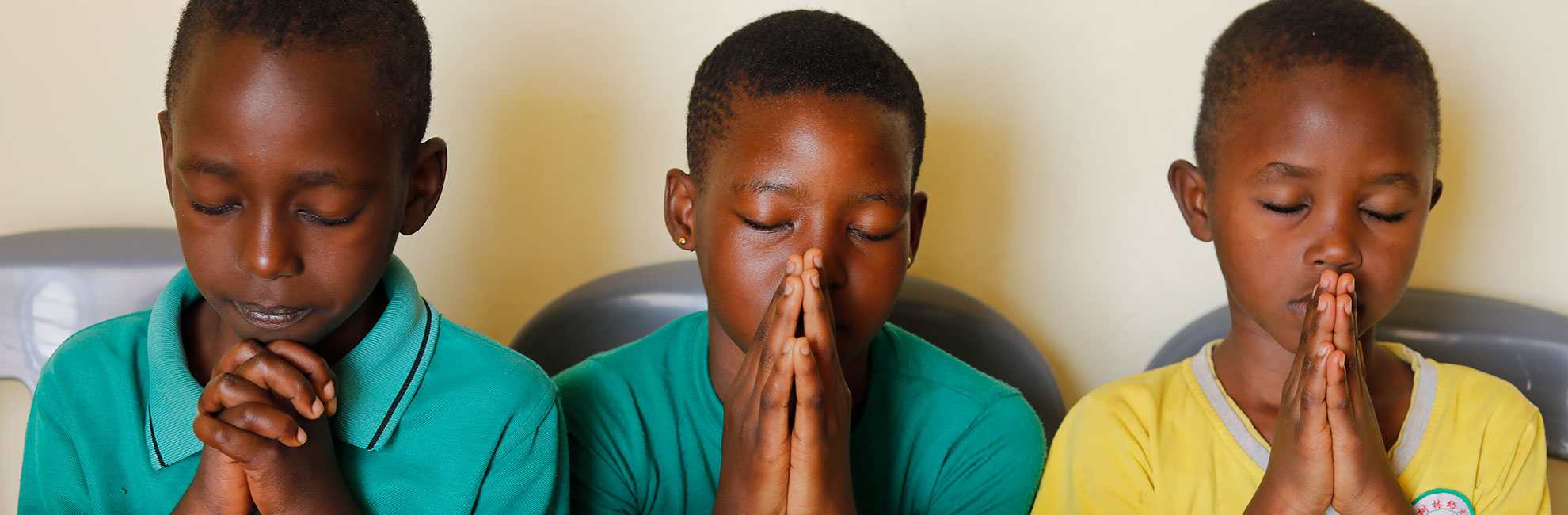
Faith inspires more than private devotion. It calls people to move, serve, and build together.
Across communities, believers often step forward first when neighbors are in need — organizing food drives, supporting families during illness, mentoring young people, and rebuilding after disasters. In this way, belief becomes visible through action, strengthening the communities it touches.
At its best, faith draws people together. When communities unite around shared values such as compassion, dignity, and service, those beliefs turn into collective action that changes lives.
Why Faith Communities Matter in Today’s World
Faith communities continue to shape civic life in powerful ways. Gatherings for worship often spark networks of trust and cooperation that ripple outward into surrounding neighborhoods and communities.
Scholars studying religious involvement consistently find that frequent participation in faith communities correlates with higher levels of volunteering, trust, and cooperative behavior.
In practical terms, people who gather around shared beliefs often become catalysts for community solutions. Faith doesn’t remain simply an idea; it mobilizes people to serve.
That spirit of cooperation becomes even more important when the challenges facing vulnerable children and families stretch far beyond the reach of any single organization.
Why Collaborative Faith Is Not Optional
The scale of need facing vulnerable children and families worldwide demands something larger than any single ministry can provide. According to the United Nations Children’s Fund (UNICEF), an estimated 333 million children worldwide were living in extreme poverty as of 2023, surviving on less than $2.15 a day.
No one denomination, ministry, or donor base can meet that reality alone.
Scripture describes the body of Christ as interconnected, each part indispensable to the whole (1 Corinthians 12:12–27). Kinship United takes that metaphor seriously, not just as poetry, but as an organizational blueprint.
Collaborative ministry is not simply a strategy for expanding programs. It reflects a theological conviction about how God designed his people to serve: together.
When local churches, international partners, individual donors, and trained community leaders align around a shared vision, the impact multiplies in ways no single effort could achieve alone. Communities gain not only resources but resilience that lasts long after any one humanitarian effort ends.
What Faith in Action Looks Like on the Ground
It’s easy to talk about faith-based collaboration in broad terms. Kinship United prefers to demonstrate what it looks like in practice.
Empowering Local Leaders
Kinship United roots transformation in the people who already belong to the community: pastors, teachers, and local leaders who understand the culture, speak the language, and will remain long after mission teams return home.
Research from Brookings shows that locally led development efforts consistently produce stronger and longer-lasting outcomes than externally driven programs. Kinship United reflects that evidence by training local leaders, equipping churches, and walking alongside communities for years rather than weeks.
When communities lead, ownership and sustainability grow naturally.
Short-term teams contribute more than projects; they build lasting relationships with local partners who continue the work long after the teams return home. Donors, in turn, become part of a community committed to a shared mission that extends far beyond a single gift.
Family Preservation Over Institutionalization
That commitment to community leadership also shapes how Kinship United approaches one of the most vulnerable groups: children without stable families.
One of the organization’s most fundamental commitments is its insistence that children belong in families, not orphanages. Kinship United creates safe, loving Church Homes for orphans while rallying the entire village to surround them as their Kinship family.
Family preservation and reunification programs exist because faith calls for more than meeting basic needs. It calls for protecting every child’s right to be known, loved, and supported by a family and community.
Church-Centered Development
The local church remains one of the most underutilized development assets in the world. Faith communities are among the largest civil-society networks globally and often maintain deep relationships within communities, enabling them to reach vulnerable populations that governments or development institutions may struggle to serve.
Kinships often begin in vibrant churches rooted in underserved communities where needs run deep, and resources remain scarce. From these churches grows something larger than traditional aid programs.
Each Kinship blends the warmth of a home, the fellowship of a church, and the resources of a community center.
Within one welcoming space, families can access essential support, including housing, clean water, nutritious food, education, medical care, protection from trafficking, childcare, job training, and counseling.
By bringing these services together in one place, Kinships create a stable foundation where individuals and families can find safety, support, and a path toward a stronger future.
Collaborative Action Creates Sustainable Change
Faith that builds is not a program launch or a capital campaign. It is a humble, collaborative posture rooted in the belief that God’s people are strongest when they work as one.
Kinship United carries that conviction into every partnership, every community, and every child welcomed home.
If your faith is searching for a place to take root, where belief becomes action and compassion builds lasting change, you can be part of that work.
Support Kinship United’s mission to build safe Church Homes for orphans and engage entire villages as their Kinship family.


